By: Rick Anderson, M. Sc
Recently, a LEO leader criticized officers preaching the concept of having a “warrior mindset” under any circumstances, stating it is a military only concept that does not belong anywhere in law enforcement.
Let that sink in for a second, I did, but I simply cannot get on board with that. There is no doubt the term “warrior mentality” has become controversial in law enforcement circles. Why? Because too often, it is misunderstood as aggression, ego, or a mindset that views it’s community as the enemy, and seeks conflict. Perhaps we should call it having a “warrior spirit”, would that help? Probably not, but regardless, that misunderstanding has created a stigma around the very concept of preparing officers mentally and emotionally to survive violence when violence is unavoidable and forced upon them.
But perhaps more important questions and subsequent considerations are:
When a suspect is actively trying to kill or cause serious bodily injury to a law enforcement officer on American soil, are they not acting as a combatant, a domestic combatant? Aside from semantics, how is that fundamentally different from a foreign combatant attempting to kill an American soldier on foreign soil? Both the LEO and soldier have sworn an oath in some form to support and defend the Constitution of the United States against all enemies, foreign and domestic.
Will the officer be any less injured than the soldier facing the same level of violence?
Any less dead?
Any less traumatized?
The reality is that violence is ugly, particularly extreme / deadly violence. It is brutal, it is unforgiving, and it does not care about uniforms, titles, politics, or public perception. Deadly encounters are not theoretical discussions to the men and women experiencing them. In those moments, those men and women must become “warriors”, because survival hangs in the balance, and it matters.
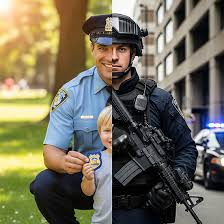
As an officer safety and survival instructor, I believe we have done a disservice to our profession by allowing the word “warrior” to become synonymous with reckless, egregious, or unnecessary force. The essence of the warrior mindset is not a desire for conflict, but a commitment to non-violence coupled with the readiness to prevail through violence when violence is imposed upon us and survival hangs in the balance.
Our military understands this distinction well.
We expect soldiers to be disciplined warriors during combat situations, capable of using decisive and sometimes extreme force to defeat a lethal threat. But outside of combat situations, we expect them to be professionals, ambassadors, and representatives of our nation’s values.
Why would we not accept and embrace the same balance from law enforcement?
The best officers I have known understood exactly when each role was required. They were ambassadors to the community first, showing compassion to victims, patience to a persons in crisis, professionalism to the community, and restraint under pressure. But they could and would also instantly transition into a warrior mindset when confronted with a deadly threat.
That is not toxicity, or a culture of aggression or abuse. That is the responsibility that comes with being professionals tasked with facing those who would commit violence against us and our nation’s citizens here at home. This, I would argue is no different than our nation’s military professionals who face those who would commit violence against them or our nation’s citizens on the global stage.
Leadership matters greatly in this conversation. Leaders who demonize the warrior mindset entirely risk creating hesitation, confusion, and psychological conflict in officers during life threatening encounters. On the other hand, leaders who promote only aggression without discipline create equally dangerous outcomes.
The answer is balance.
The profession does not need less humanity or guardians to be ambassadors of non-violence. It also does not need less warriors prepared to survive violence when it is forced upon us. It needs officers and leaders mature enough to understand that both realities can and must coexist.
A guardian who lacks the mindset to fight like a warrior, survive and prevail when violence is forced upon them risks failing themselves, their loved ones, and their community.
A warrior who lacks the mindset and discipline to behave like a guardian when they should, becomes a liability to themselves, their organization,, their loved ones, and their community.
Professional law enforcement requires both, and our profession and communities deserve both.